
Tailored for Tomorrow
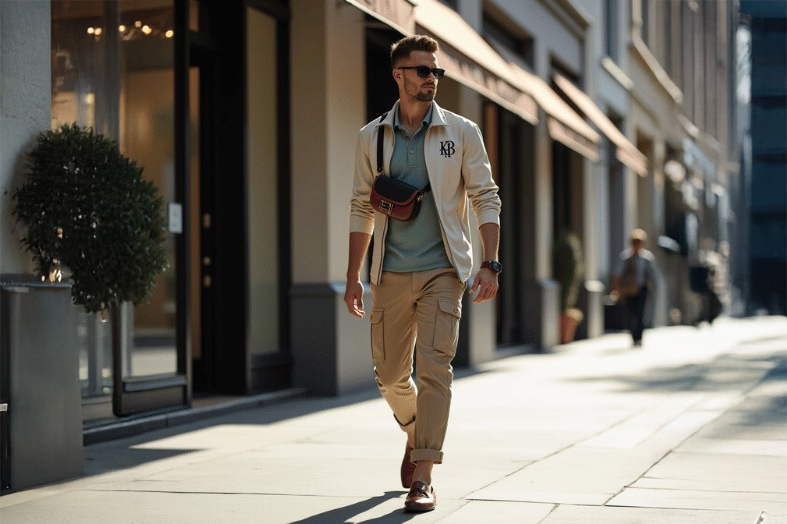
The landscape of men’s fashion is entering a dynamic new era—an age where form meets function, preppy classics are reinvented, and personalization is no longer a luxury but an expectation. In 2026, menswear is undergoing a profound shift, guided by the evolving needs of modern men: flexibility, confidence, sustainability, and individuality. Gone are the days when men’s wardrobes were confined to rigid categories formal, casual, business, or sport. Today, we are witnessing the emergence of a hybrid aesthetic that marries all these domains. Whether it’s the rise of versatile tailoring that moves with you from boardroom to bike commute, the return of collegiate style with a global twist, or the surge in AI-enabled bespoke clothing fashion is empowering men to make strong yet subtle statements. These aren’t just clothes. They are choices that reflect deeper values: adaptability, culture, and authenticity. Runways from Milan to Tokyo have forecasted the rise of three interwoven trends shaping the menswear narrative for 2026: functionality, prep revival, and hyper-personalization. These trends are not confined to elite fashion shows or glossy magazine covers they are flowing directly into the streets, shaping how men dress in their everyday lives. In this article, we break down these movements and explore how they’re translating into streetwear from high fashion to accessible edits. Functionality has always been a silent component of men’s fashion, but in 2026, it takes center stage. Designers are pushing beyond aesthetics to create pieces that align with the active, unpredictable rhythm of modern life. Whether you’re rushing between meetings, traveling across time zones, or simply switching between work and wellness modes, today’s menswear is designed to perform. Performance fabrics like stretch merino, tech wool, and moisture-wicking synthetics are replacing stiff cottons and polyblends. Shirts come with built-in ventilation panels. Blazers are now cut like activewear unstructured, unlined, and often infused with elastane for easy movement. Even jeans now feature hidden waist extenders, antibacterial finishes, and temperature regulation.Streetwear brands like A-COLD-WALL* and Veilance are spearheading this movement with architectural silhouettes and climate-smart materials, while heritage names like Ralph Lauren and Hugo Boss are integrating performance elements into classic designs. We’re seeing trench coats with secret waterproof zippers, loafers with sneaker soles, and backpacks that charge your phone. The most innovative touch? Multi-modal design—where garments adapt to your lifestyle. A jacket that folds into a sling bag. Pants that convert into shorts with invisible zippers. Shirts that monitor your stress levels or hydration through embedded sensors. This is fashion merging with functionality, without compromising on style.Once a symbol of upper-crust privilege and elite campuses, preppy fashion has undergone a radical reinvention. Today’s version is inclusive, gender-neutral, and globally influenced. The prep revival of 2026 retains the core of the style clean tailoring, layering, and classic motifs but strips away the exclusivity. Instead, it’s about reclaiming preppy for all. We’re seeing varsity jackets paired with joggers, pleated trousers worn with oversized hoodies, and rugby shirts reimagined in neon color blocks. Think cricket vests with street sneakers, seersucker suits styled with gold chains, or cable-knit sweaters embroidered with personal slogans.Designers like JW Anderson and Thom Browne are deconstructing prep with gender-fluid silhouettes, while streetwear houses like Aimé Leon Dore and Noah bring a more urban, multicultural edge. Asian and African designers are also remixing preppy codes with their own storytelling layering Ankara fabrics with cricket whites or adding Mandarin collars to blazers. This trend is also showing up in how men style their hair, accessories, and even fragrances. Slick side parts meet hoop earrings. Leather-bound journals are paired with smartwatches. This is not about dressing like your grandfather—it’s about modern elegance that respects heritage while flipping the script.In the digital age, identity is fluid—and fashion is catching up. 2026 marks a tipping point in men’s fashion, where personalization is not a privilege, but an expectation. Consumers want clothes that tell their story, fit their values, and adjust to their body in real time. This is where AI and fashion have found a powerful intersection. Brands like Zegna, Nike, and Uniqlo are now offering AI-guided fit customization, letting customers scan their bodies via smartphones for precise tailoring. Your shirt doesn’t just come in size M or L—it comes in your size, adjusted for posture, shoulder tilt, or gait.Beyond fit, personalization now means design. Men can choose their pant silhouette, cuff style, collar type, monogram, and even thread color—often through interactive web platforms. For luxury clients, AI algorithms analyze lifestyle, calendar events, and climate data to suggest what to wear, when, and how. What makes this movement exciting is its democratization. You don’t need a tailor or stylist—just a device. The growing popularity of digital closets, virtual stylists, and wardrobe apps is empowering men to experiment. Personalization is also deeply tied to sustainability, encouraging buying fewer, better pieces that are made to last. Functionality, prep, and personalization may define the style landscape, but it’s the tech-savvy man who’s bringing these ideas to life. In 2026, men’s style is increasingly shaped by digital influencers, virtual stylists, AI avatars, and even gaming culture.Many young consumers are discovering style not through magazines, but through TikTok reels, Instagram fashion edits, and video games. Titles like Fortnite and NBA 2K have fashion collabs with Balenciaga and Nike, making virtual drip just as influential as physical fits. Digital-native Gen Z and Alpha are not just buying clothes—they’re collecting skins, NFTs, and digital fashion drops.This also changes how designers think. Brands are now launching capsule collections in the metaverse before physical versions, using data on clicks, shares, and virtual wear rates to gauge demand. Men are increasingly using AR tools to try on outfits, mix looks, and even experiment with risky styles without stepping into a store. The tech-stylish man is not necessarily obsessed with labels. He’s interested in how things work, feel, and represent who he is—online and off. His wardrobe spans smart glasses, fragrance atomizers, LED-equipped jackets, and accessories that track health or sync with his calendar.All of these trends might feel lofty on paper, but
The Quiet Kings: Redefining Power in the Age of Presence
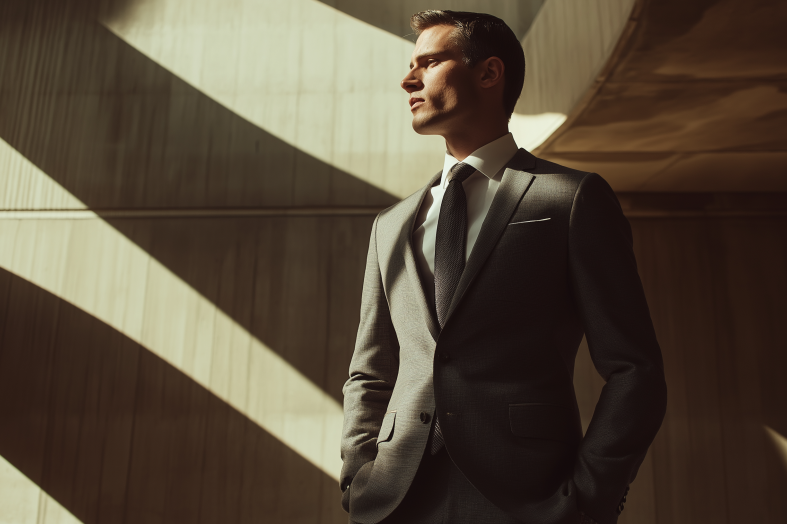
Once upon a time, power came with noise. With the sound of gavel strikes, boardroom claps, fast cars roaring through private tunnels, or champagne corks flying in marble-clad penthouses. But today, a quieter reign is taking hold—a subtler, stronger masculinity that doesn’t scream success but breathes it. He doesn’t need to announce himself. He walks in, and the room instinctively recalibrates. Not because of the suit, though it’s sharp. Not because of the watch, though it ticks heritage. But because he’s mastered the rarest art of all: presence. In a world overwhelmed by noise, distraction, and digital flexing, the modern man of influence is turning inward. He’s letting go of the performance and embracing precision. He doesn’t just have power—he embodies it. Not through bravado, but through balance. Meet the Quiet Kings—the men rewriting the playbook on leadership, love, fatherhood, and legacy. They meditate before meetings. They speak after they listen. They build before they boast. And they know that silence isn’t weakness—it’s strategy. This isn’t minimalism for trend’s sake. It’s intentionality. They’ve mastered the economy of energy: where to give, when to hold back, and how to walk away with grace instead of ego. You’ll find them rising before the world wakes. Journaling in leather-bound notebooks. Reading philosophy between flights. Wearing fragrance that doesn’t overpower, but lingers. They drink still water, not because it’s trendy, but because it reminds them that clarity doesn’t come from chaos. They don’t hoard status. They share access. They mentor in private. They apologize without theatrics. They celebrate without cameras. And their success? It’s not viral. It’s visible—in the calm with which they carry storms, in the consistency with which they show up, and in the legacies they’re building not for applause, but for impact. These men don’t see power as dominance—they see it as depth. They’ve reframed masculinity not as hardness, but as harmony. They’re fathers who aren’t afraid to cry at school plays. Entrepreneurs who decline meetings past 6 p.m. to read bedtime stories. They believe that being emotionally fluent is not a flaw—but a force. They invest in therapy and tailors with equal dedication. They speak about wellness with the same fervor as wealth. They understand that true luxury is not just in things—but in space, time, and freedom. You won’t find them in arguments online. You’ll find them cultivating legacy offline. Planting trees they may never sit under. Funding startups that disrupt quietly but heal deeply. Supporting causes they’ll never take credit for. Their philanthropy is private. Their success is understated. Their mission is clear: lead without leaving damage. The Quiet Kings also curate their worlds with care. Their homes reflect intention. Japanese rock gardens instead of rooftop pools. Record players beside Kindles. Art by unknown geniuses. Scented candles that smell like cedar and summer rain. It’s not about price tags—it’s about peace. They’re drawn to bespoke over big brands. Craftsmanship over clout. They would rather commission a suit that takes six months to make than buy ten off the rack. Because they know that how something is made matters as much as what it is. But don’t mistake quiet for passive. These men move fast when it counts. They close deals with eye contact. They negotiate not for victory, but for value. They protect their teams fiercely and make decisions with unshakable clarity. They’re the storm beneath the stillness. And when they act, the world takes notice. Because the most dangerous man in the room isn’t the loudest. He’s the one who doesn’t flinch. Doesn’t need to prove. Doesn’t rush. He knows who he is, what he stands for, and where he’s going. And that calm? That presence? That’s not luck. That’s earned. These men are the new archetype. CEOs who lead from the back so their teams can shine. Artists who create in silence and let their work speak. Fathers who choose presence over perfection. Lovers who listen more than they lecture. Friends who show up when the cameras aren’t rolling. They don’t need thrones. They’ve built kingdoms within. They don’t need permission to rest. They’ve realized that restoration is responsibility. That burnout isn’t a badge, and slowing down is often the sharpest strategy. They are redefining what it means to be strong, stylish, and self-aware in an age obsessed with more. They remind us that sometimes the best things in life are not shouted, but whispered. That real power is not what you can take—but what you can hold with grace. So to the man reading this, in his quiet corner, with his coffee just right and his mind clear: You are not falling behind by choosing stillness. You are not less masculine for choosing mindfulness. You are not weak for choosing softness when the world tells you to harden. You are part of a new era. An era of Quiet Kings.
The Gentleman’s Code: Redefining Masculinity with Grace and Grit

In the age of disruption, when definitions of success, style, and identity are constantly being reimagined, the modern man stands at a fascinating crossroads. Gone is the era when masculinity was measured solely by how stoic, strong, or silent a man could be. Today, being a man isn’t about posturing—it’s about presence. It’s not about power over others, but power over self. And nowhere is this transformation more striking than in the rise of what we now call the new gentleman. He’s not a cliché. He’s not confined to a sharply tailored suit, though he might enjoy wearing one. He may or may not drink whisky or smoke cigars. What defines him isn’t what’s in his wardrobe, but what’s in his character. This is the man who holds the door open and holds eye contact in difficult conversations. He leads with both confidence and compassion. He’s just as comfortable closing a business deal as he is discussing mental health with his son. He believes in progress but honors tradition. He is grace, he is grit—he is evolving. To understand this shift, we have to rewind. For decades, masculinity has been tethered to the ideals of dominance, stoicism, and emotional repression. Vulnerability was weakness. Tenderness was taboo. Men were raised to be providers, protectors, warriors. But the modern world doesn’t demand warriors—it demands humans. And so, the new gentleman emerged not as a reaction, but as a revelation. A man who doesn’t need to dominate the world around him because he’s already made peace with the world within. This new code of manhood is not written in rules, but in values—respect, authenticity, resilience, presence. It’s seen in the entrepreneur who chooses ethical production over fast profit. The father who attends every school recital and listens more than he lectures. The CEO who mentors his team with empathy instead of intimidation. The artist who shares his truth boldly, even if it trembles. The athlete who talks openly about depression and inspires others to seek help. They are redefining the benchmark. No longer are men judged solely by their net worth or accolades, but by how they show up—in relationships, in society, and in their own personal growth. One doesn’t have to look far to find examples. David Beckham, once the epitome of hyper-masculinity on the football field, has emerged as a style icon, a loving father, and a soft-spoken advocate for humanitarian causes. Pharrell Williams champions creativity and gender-fluid fashion with a quiet confidence that says, “I know who I am.” Keanu Reeves, famously private and reserved, exudes humility and kindness wherever he goes, becoming an internet hero for simply being decent. But it isn’t just about celebrities—it’s about the men next door. The father who takes paternity leave. The friend who checks in on your mental health. The young man who challenges toxic locker room banter. The leader who doesn’t fear being emotional in a boardroom. These are the new codes—coded not in silence, but in strength of spirit. Style, of course, still plays its part. The gentleman dresses not for approval, but for expression. His suit fits because it respects his body, not because it seeks attention. His watch may be vintage, but it speaks of time well lived. He curates, he doesn’t consume. Whether he’s in cashmere or denim, it’s not the label—it’s the intention that elevates his look. He wears confidence as his true accessory. In relationships, he brings depth. He listens. He shows up. He isn’t afraid to say “I love you” or “I’m sorry.” He knows that being right is not as important as being real. He isn’t perfect, but he is accountable. He nurtures his friendships. He honors boundaries. He doesn’t ghost—he grows. The new gentleman also invests in his well-being—not out of vanity, but vitality. He sees therapy not as weakness but as wisdom. He exercises not to impress, but to feel alive. He reads, he meditates, he learns. He knows that true power lies in balance, and that mental strength is just as crucial as physical. Perhaps most inspiring of all, the modern man lifts others as he climbs. He celebrates women. He mentors youth. He speaks out against injustice. He stands in solidarity, not just in silence. He doesn’t fear change—he helps lead it. This is the soul of BEAU. A celebration of this evolving identity. A tribute to the man who dares to be more. To feel more. To lead, to love, to live fully—on his terms. In a world that too often shouts at men to “man up,” BEAU speaks softly but powerfully: Be whole. Be human. Be a gentleman—not by tradition, but by transformation. So here’s to the new code. To the man who leads with both heart and hustle. Who holds grace in one hand and grit in the other. Who understands that being a man is not about having all the answers, but about asking the right questions—and having the courage to grow through every one of them.